Why the hip joint wears
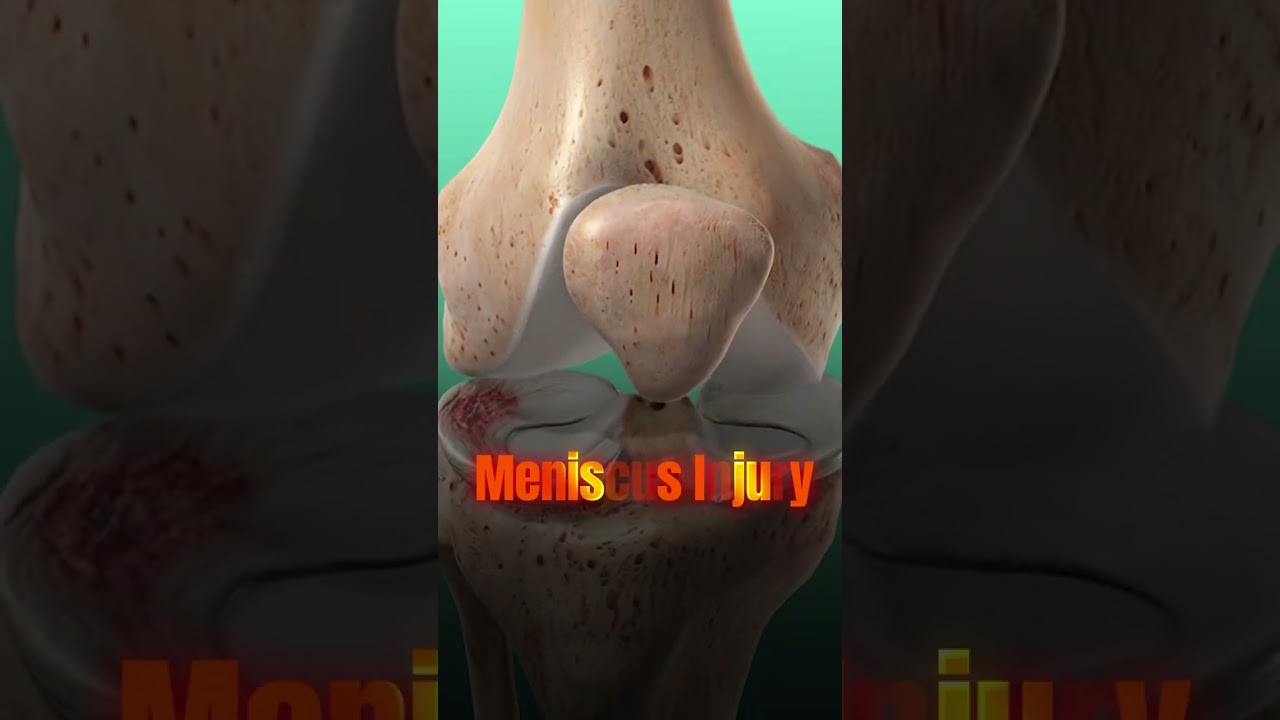
The hip joint carries the weight of our body. Age, a previous injury, reduced blood supply (AVN) or rheumatic disease can wear away the cartilage of this joint. This causes pain in the groin, buttock or thigh, and makes walking, sitting and bending the leg difficult.
What is PRP?
PRP (Platelet Rich Plasma) is platelet-rich plasma prepared from the patient’s own blood. The growth factors in platelets can help reduce inflammation and support the tissue’s healing process. Because it is made from your own blood, the risk of allergy or reaction is very low.
How the procedure is done
- A small amount of blood is taken from the patient’s arm.
- The blood is spun in a special machine (centrifuge) to separate the platelet-rich part.
- The skin over the hip is disinfected and local anaesthesia is given.
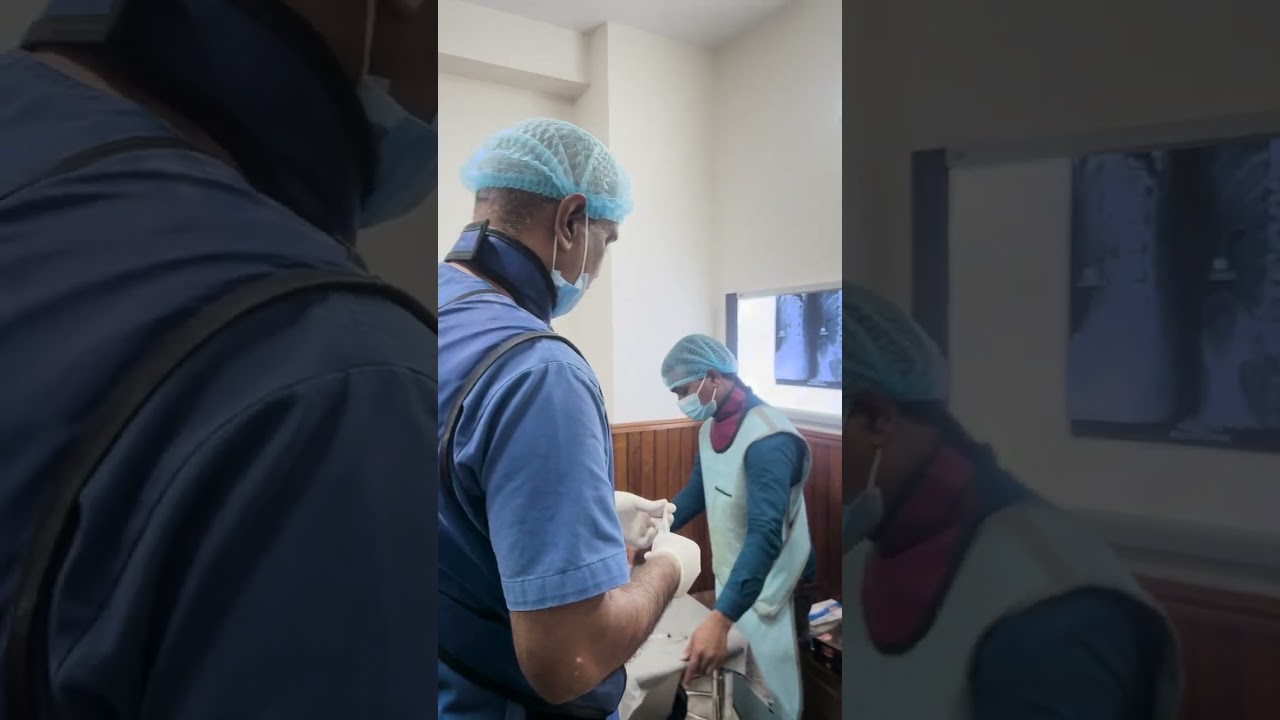
- Watching on ultrasound, the needle is guided precisely into the joint and the PRP is injected.
The whole process usually takes a short time, and the patient can go home the same day.
What to expect
PRP does not create a new joint; its aim is to reduce pain and inflammation and improve how the joint works. The benefit shows gradually over several weeks, and often more than one dose is needed. Results are usually better in the early to moderate stages of wear.
This article is for general health information. Always consult a doctor for your own diagnosis and treatment.