Severe hip joint pain
When hip joint wear, AVN or other causes lead to long-term severe pain, walking, sitting down and getting up, and sleeping all become difficult. Hip replacement surgery is recommended for many patients, but because of age, heart disease, diabetes or other reasons, surgery is not possible for everyone, or the patient does not want it.
What is radiofrequency ablation (RFA)?
Pain signals from the hip joint travel to the brain through some small sensory nerves. In RFA, controlled heat is produced at the tip of a special needle to reduce these nerves’ ability to carry pain. Even though the joint wear does not heal, the feeling of pain is much reduced.
How the procedure is done
- A test nerve block is often given first. If it reduces the pain well, RFA is likely to work.
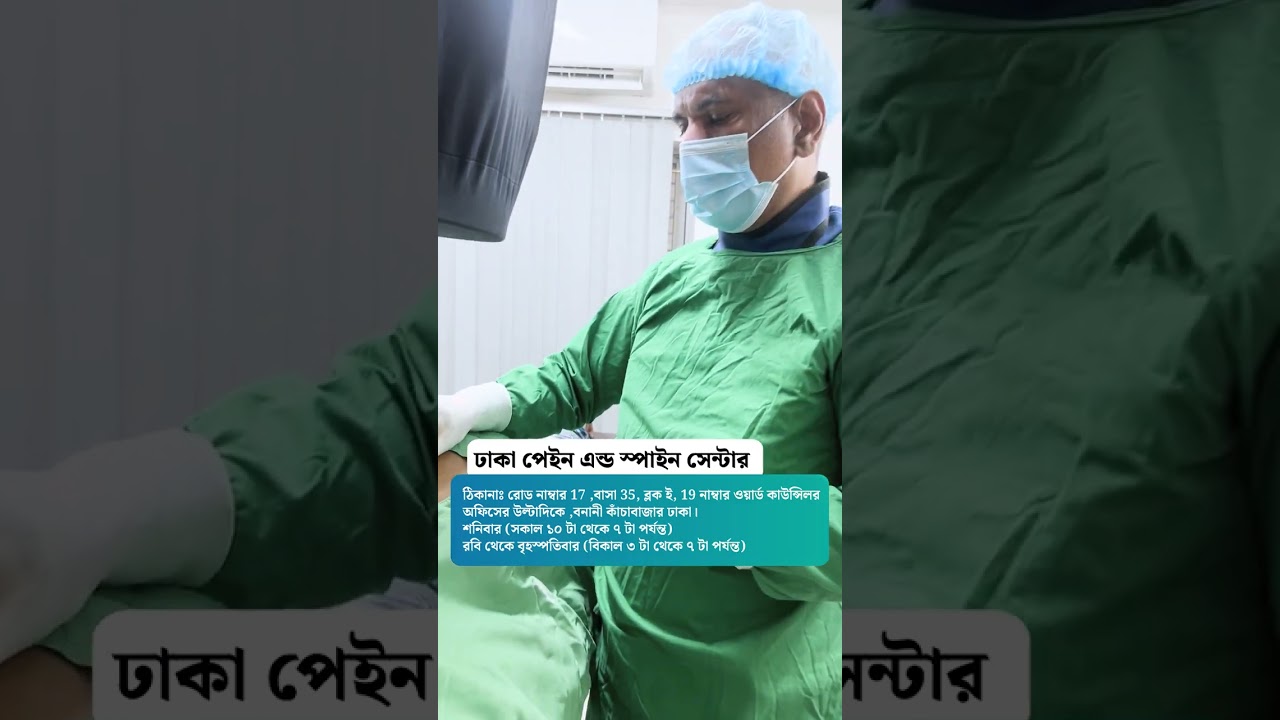
- Under fluoroscopy and ultrasound, the needle is guided to the specific nerve.
- A check is made that the nerve has been correctly identified.
- Controlled radiofrequency is applied under local anaesthesia.
Patients usually walk home the same day.
What to expect
- The pain may take from a few days to a few weeks to ease
- The benefit can last many months; if the nerve gradually becomes active again, the procedure can be repeated if needed
- With less pain, physiotherapy and exercise become easier, which improves mobility
In some cases RFA is combined with treatments such as PRP. A specialist will decide which method is right for you after an examination.
This article is for general health information. Always consult a doctor for your own diagnosis and treatment.