How does PRP therapy work? The procedure, benefits and possible side effects
PRP therapy (Platelet-Rich Plasma therapy) is now a well-known treatment for hair loss, thinning hair and some skin or tissue problems. It is a minimally invasive treatment that uses the patient’s own blood to try to stimulate the healing process, or tissue repair, in a specific area.
But how does PRP therapy actually work? Does it really help hair grow? How long before you see results? Let’s look at the details.
What is PRP therapy?
PRP stands for Platelet-Rich Plasma. The platelets in our blood do more than help it clot: they contain growth factors and signalling proteins that play a part in the body’s natural healing of wounds.
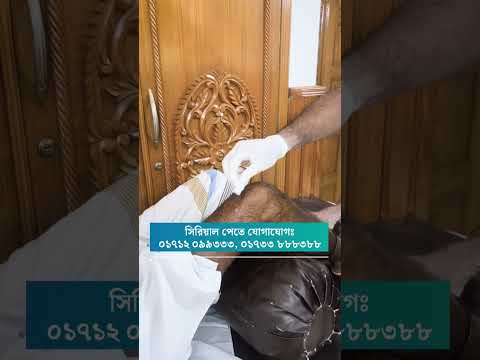
In PRP therapy, a small amount of blood is usually taken from the patient. The platelet-rich part of the blood is then separated and concentrated with a special process. The prepared PRP is injected into the problem area.
How does PRP therapy work?
The basic idea of PRP therapy is to make use of the body’s own healing mechanism.
First, the patient’s blood is collected. A centrifuge then separates the different components of the blood, giving a plasma portion with a relatively high number of platelets.
Once this PRP is applied to the affected area, the platelets may release growth factors and signalling molecules. These can play a part in local cell activity, the growth of blood vessels and tissue repair.
However, how PRP works and how effective it is can vary with the type of treatment, the cause of the condition, how the PRP is prepared and the individual patient.
How does PRP work for hair loss?
PRP therapy is especially talked about as a treatment for hair loss, particularly androgenetic alopecia, or pattern hair loss.
The aim of PRP injections into the scalp is to stimulate the environment around the hair follicles. PRP’s growth factors are thought to influence the activity and growth cycle of hair follicles.
As a result, in some people:
- hair loss may slow down
- hair thickness or density may increase somewhat
- the activity of weak hair follicles may improve
- new hair growth may be supported
However, PRP is not equally effective for every type of hair loss. It is important to find the underlying cause of hair loss before starting treatment.
How many PRP sessions are needed?
The number of PRP sessions is not the same for everyone. Often a few sessions are given at set intervals at the start, and maintenance sessions may be needed later.
How many sessions you need depends on:
- the cause of the hair loss
- how severe the problem is
- your age and overall health
- the type of PRP preparation
- how your body responds to treatment
So rather than deciding on a number of sessions yourself, take advice from a qualified doctor.
When do PRP results show?
PRP does not work instantly, because its aim is to stimulate the body’s healing and tissue response.
For hair, it can take from a few weeks to a few months to see changes, and results are not the same for everyone. Some people respond well, while for others the change may be limited.
Possible side effects of PRP therapy
Because PRP is made from the patient’s own blood, the risk of allergy or rejection is usually relatively low. However, the injections can cause some temporary problems.
For example:
- pain or discomfort at the injection site
- mild swelling
- redness
- bruising
- tenderness for a few days
There may also be a risk of infection at the injection site, especially if proper sterile technique is not followed.
Who is suitable for PRP therapy?
Before PRP, the cause of the problem and the person’s physical condition need to be assessed. PRP may not be suitable for people with certain blood problems, platelet disorders or other medical conditions.
So the safest course is to consult a qualified dermatologist, hair specialist or relevant doctor before having PRP.
Does PRP therapy work for everyone?
No. PRP is not a guaranteed treatment. Although studies have found benefits in some cases, results are not the same for everyone.
For hair loss in particular, PRP should be seen as a possible treatment option, not as a method that is certain to regrow hair. Correctly identifying the cause of hair loss, such as pattern hair loss, nutritional deficiency, hormonal problems or scalp disease, is the first step of treatment.
Final words
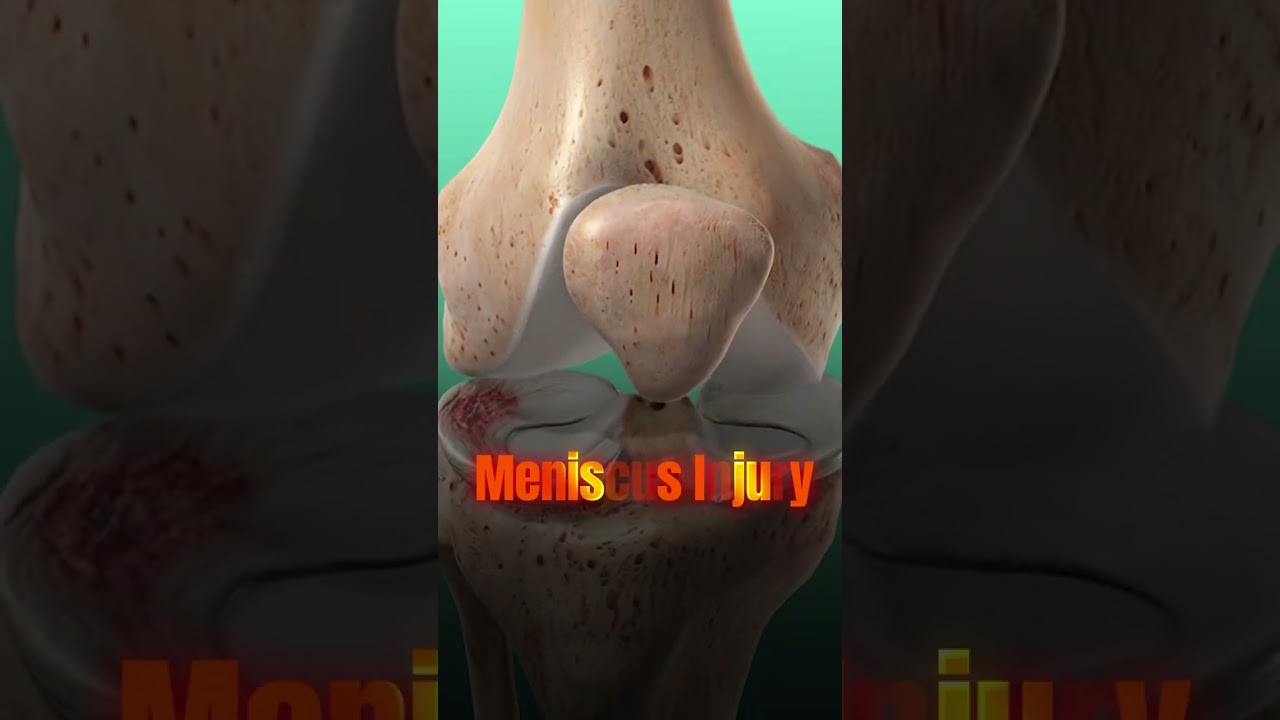
PRP therapy is a treatment that uses platelet-rich plasma from the body’s own blood to stimulate healing and tissue response. Besides hair loss, it is used in certain musculoskeletal and regenerative medicine conditions.
However, before having PRP it is important to discuss with your doctor the cause of the problem, the possible benefits, the risks and alternative treatments. PRP without a correct diagnosis may not always be effective.
Disclaimer: This article is for general information. Consult a qualified doctor to decide whether PRP therapy is right for you and how many sessions you need.