How knee pain reaches the brain
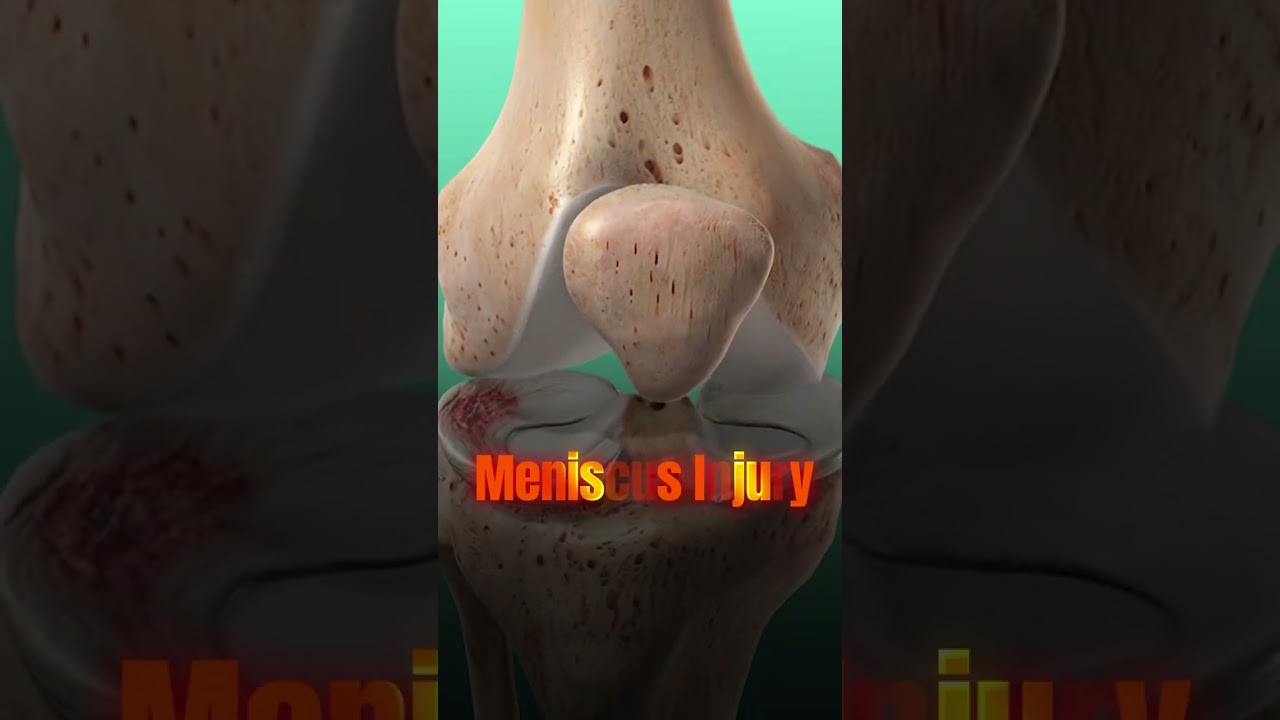
Around the knee there are several small sensory nerves called the genicular nerves. Pain signals from knee wear or inflammation reach the brain through these nerves. Targeting these nerves can reduce the pain considerably, even though the joint wear itself does not heal.
What is cool RFA?
In radiofrequency ablation, controlled heat at the tip of a needle reduces a nerve’s ability to carry pain. In cool RFA, cold water flows through the needle, so the tip does not overheat and a relatively larger area around it can be treated. This targets the nerve properly and can make pain control more effective.
Who it is suitable for
- Long-standing knee osteoarthritis pain that has not eased enough with medicine, physiotherapy or injections
- Patients for whom knee replacement is risky because of age or other illnesses
- Patients who do not want surgery yet
- In selected cases, patients whose pain has continued even after knee replacement
Before and after the procedure
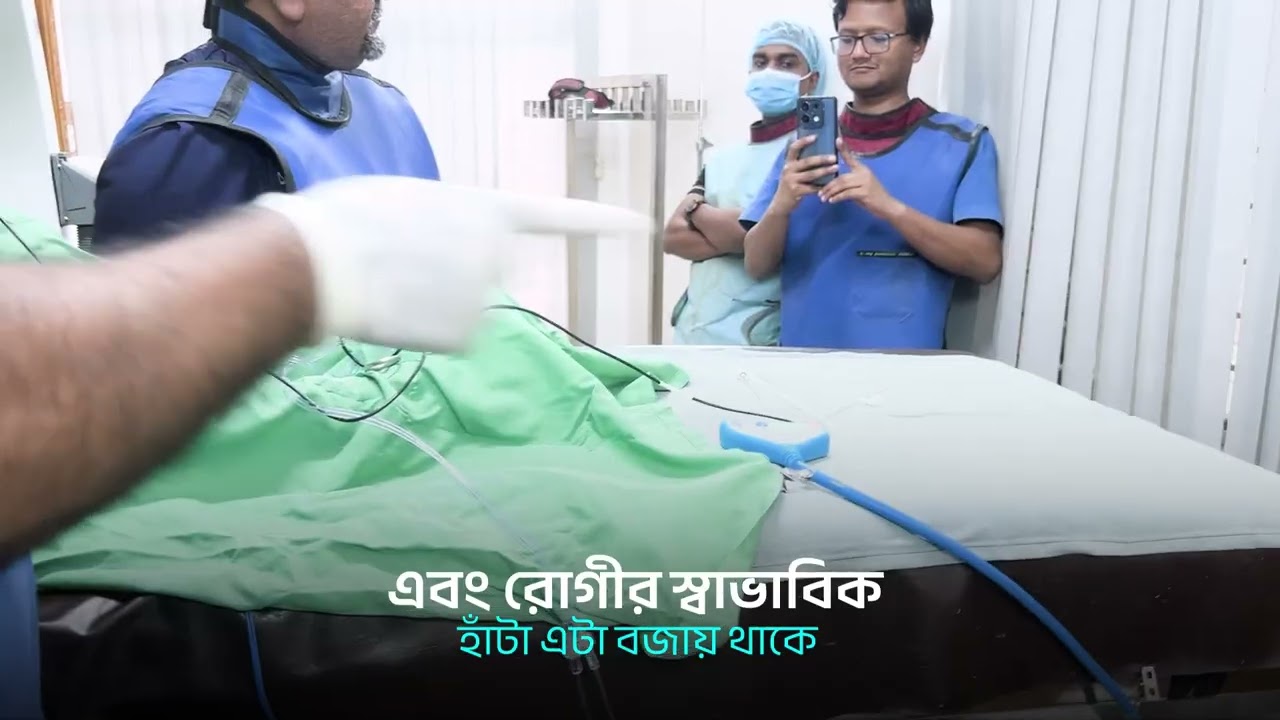
Usually a test genicular nerve block is given first. If this reduces the pain enough, cool RFA is performed. The whole procedure is done under local anaesthesia with image guidance, and the patient goes home the same day. The pain may take from a few days to a few weeks to ease, and the benefit can last many months.
Once the pain eases, regular thigh muscle exercises improve the knee’s function further.
This article is for general health information. Always consult a doctor for your own diagnosis and treatment.