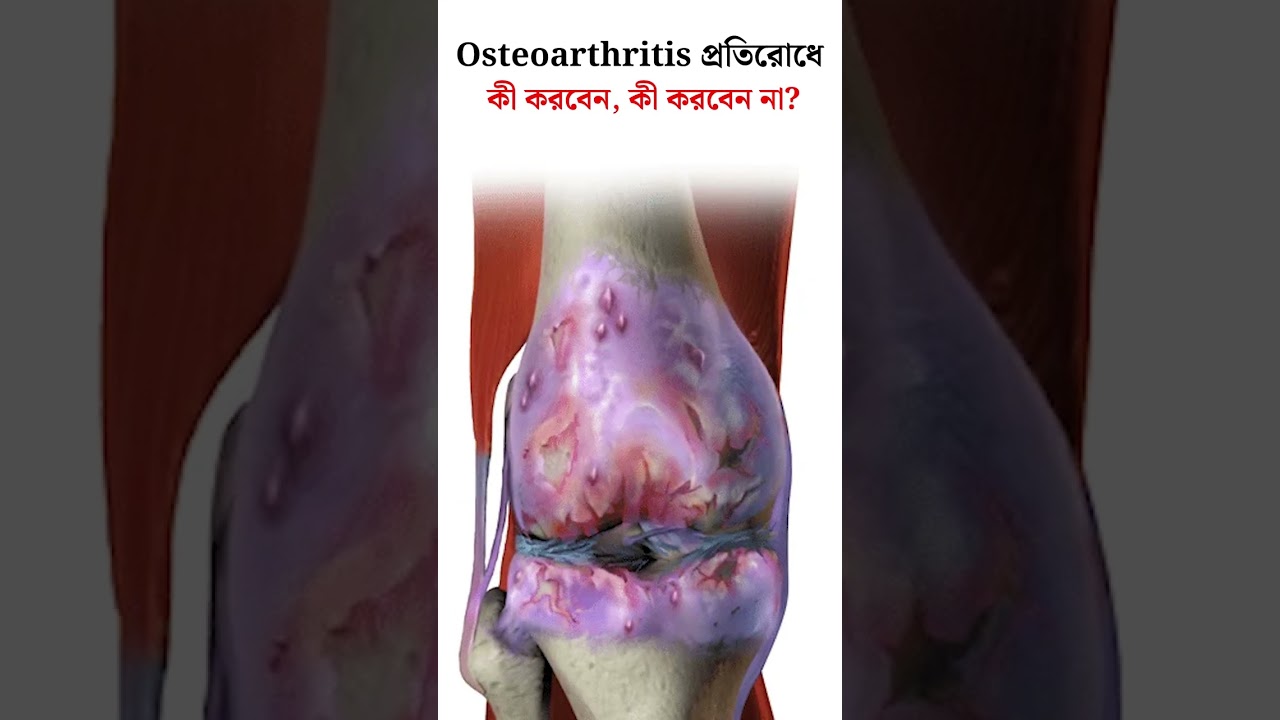
What is knee wear (osteoarthritis)?
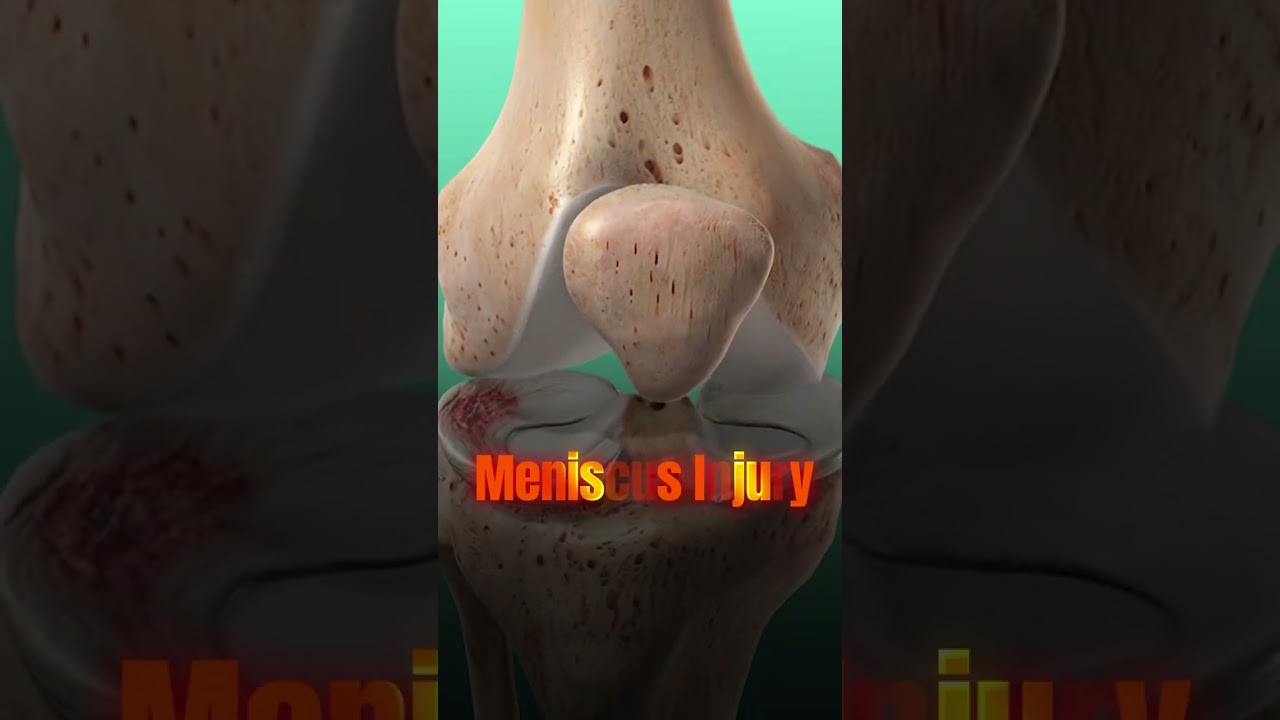
The ends of the knee bones are covered with a smooth layer called cartilage. When this cartilage thins over time or under excess pressure, bone rubs on bone, causing pain, swelling and stiffness. This is knee wear, or osteoarthritis.
Things that increase the risk
- Excess weight: every extra kilo puts several times as much pressure on the knee
- Weak leg muscles, especially the muscles at the front of the thigh
- Squatting or sitting cross-legged for long periods, or climbing stairs often
- A previous injury or ligament injury
- Age, family history and, in women, the years after menopause
Effective ways to prevent it
- Weight control: even losing a little weight reduces knee pain and slows the wear.
- Regular exercise: exercises that strengthen the thigh muscles, walking, cycling or swimming are good for the knees.
- Sitting habits: use a raised toilet where possible, and avoid squatting on the floor for long periods.
- Comfortable shoes: shoes with soft soles reduce jolts to the knee.
- Vitamin D and calcium: if you are deficient, correct it on your doctor’s advice.
Why early treatment matters
If knee pain, morning stiffness or a clicking sound when walking begins, it is best to get checked without delay. In the early stages, physiotherapy, lifestyle changes and, if needed, modern treatments such as PRP have a better chance of reducing pain and slowing the wear.
This article is for general health information. Always consult a doctor for your own diagnosis and treatment.