Why long-standing back pain doesn’t go away
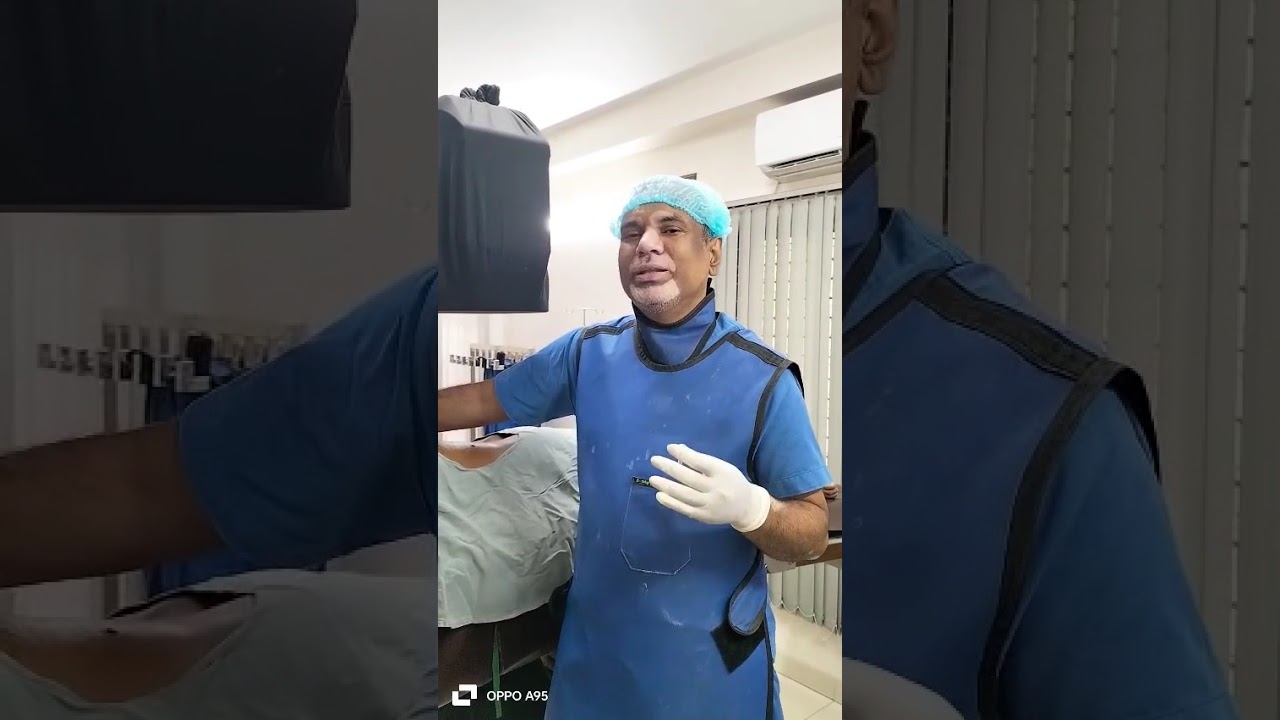
Many patients suppress their back pain with painkillers for years. They feel better for a while, then the pain comes back. The main reason is that the real source of the pain has not been found. In this video you will hear from one such patient, who suffered from lower back pain for 8–10 years.
Common sources of lower back pain
- A slipped disc pressing on a nerve (PLID)
- Disc wear or loss of water in the disc
- Inflammation of the small spinal joints (facet joints) or the sacroiliac joint (SI joint)
- Long-term muscle and ligament problems
A correct diagnosis is the first step
In interventional pain medicine, the source of the pain is identified by combining the patient’s history, a physical examination and MRI. If needed, a diagnostic block can confirm where the pain is coming from. Treatment is then aimed at that source, for example a nerve block, radiofrequency, ozone or PRP therapy.
What to do after treatment
- Do the exercises your doctor gives you regularly
- When lifting heavy things, bend your knees instead of your back
- Don’t sit in one position for long periods
- Keep your weight under control
Every patient’s condition is different, so results can differ too. But long-standing pain does not have to be permanent: when the right cause is found and treated, many people return to a normal life.
This article is for general health information. Always consult a doctor for your own diagnosis and treatment.