Why severe wear needs special care
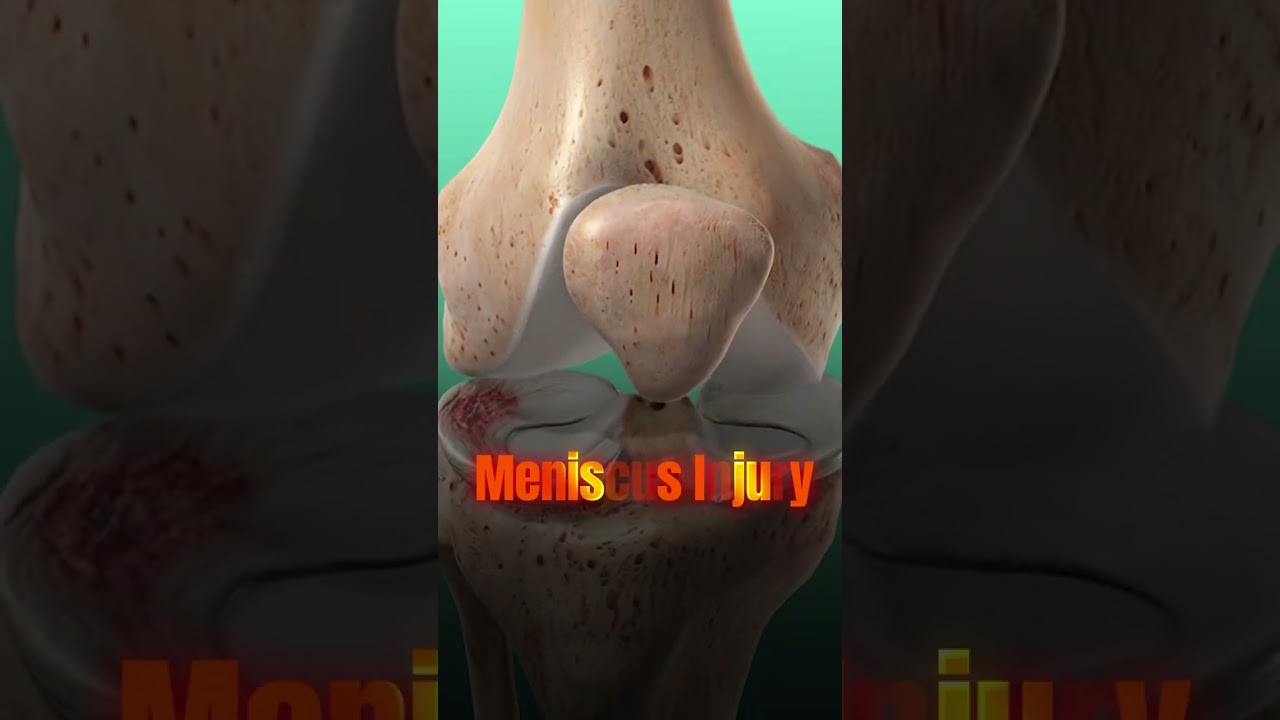
The more the knee wears, the less space there is inside the joint, and the more the inflammation and pain increase. In this situation any injection must be placed precisely inside the joint, so ultrasound guidance is especially important.
Steps of the procedure
- Blood is taken from the patient’s arm and PRP is prepared in a centrifuge.
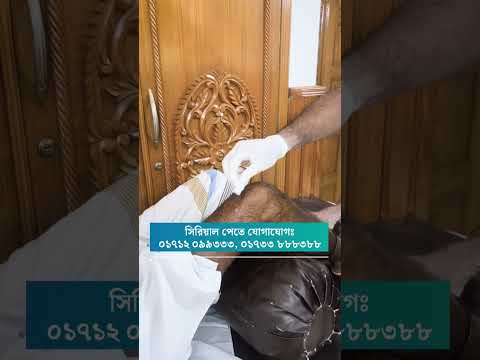
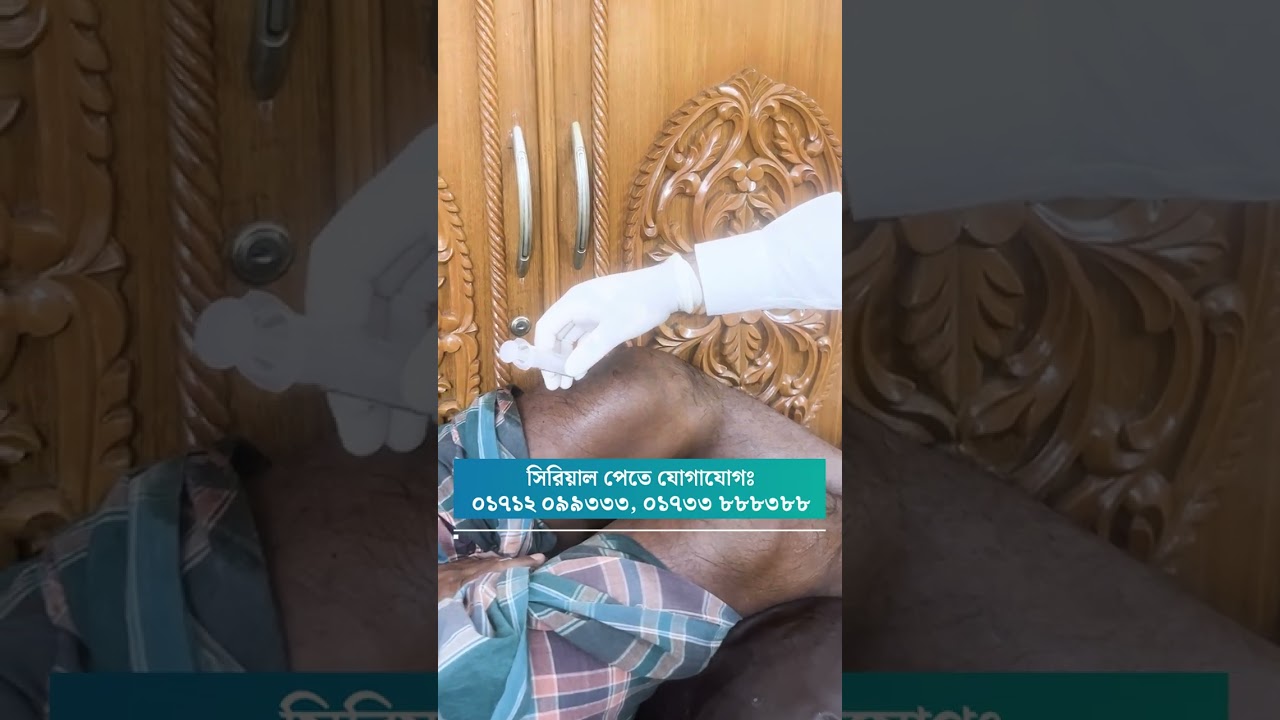
- The skin of the knee is disinfected and numbed.
- If fluid has built up in the knee, it is drained first.
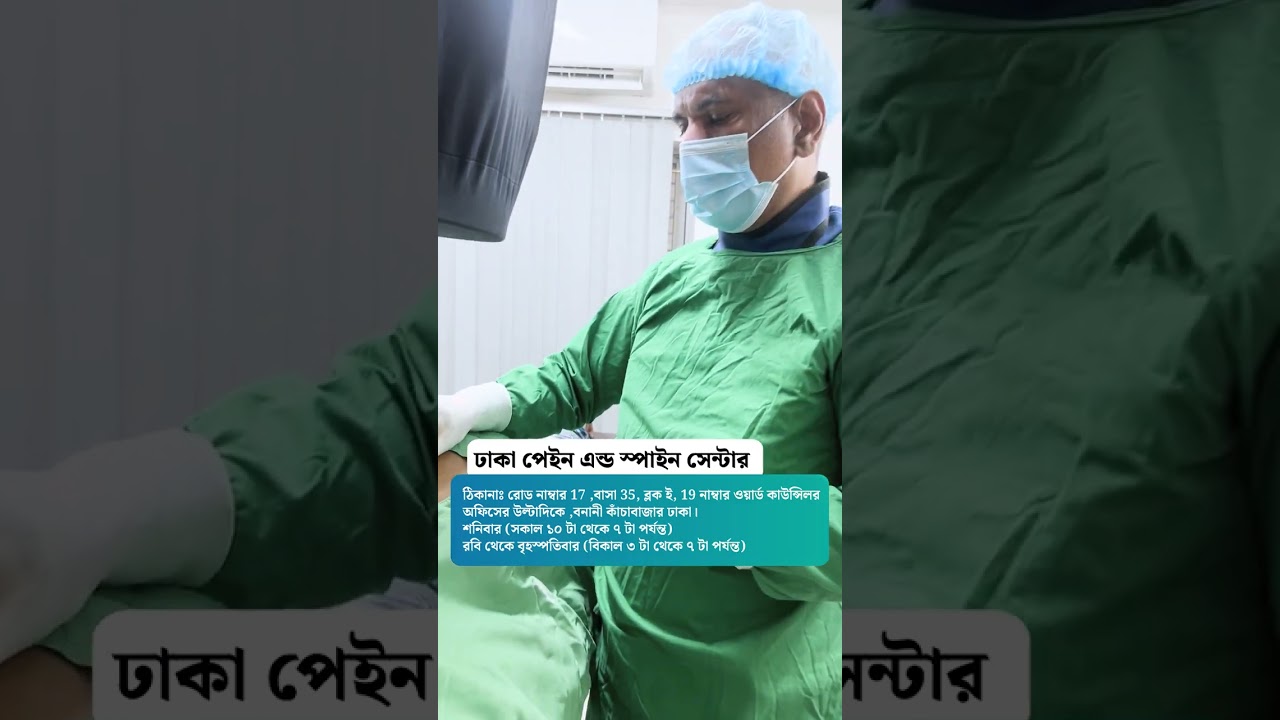
- PRP is injected into the joint under ultrasound.
- After a short rest, the patient walks home.
Realistic expectations
In severe wear, PRP does not bring back lost cartilage. But for many patients pain and swelling decrease, walking distance increases and surgery can be postponed. For those for whom knee replacement is risky because of age or other illnesses, it can be a helpful option. If needed, it is also combined with treatments such as genicular nerve radiofrequency.
How many doses are needed
Usually several doses are given a few weeks apart. The doctor decides exactly how many from the patient’s condition and the improvement after the first dose.
After treatment
- Mild pain or heaviness in the knee for the first 1–2 days is normal
- You may be asked to avoid some painkillers unless the doctor advises them
- Keep doing thigh muscle exercises regularly
This article is for general health information. Always consult a doctor for your own diagnosis and treatment.